Birdwatching on Prangli – a year in the island’s birdlife
Avaldatud: 12. May 2026
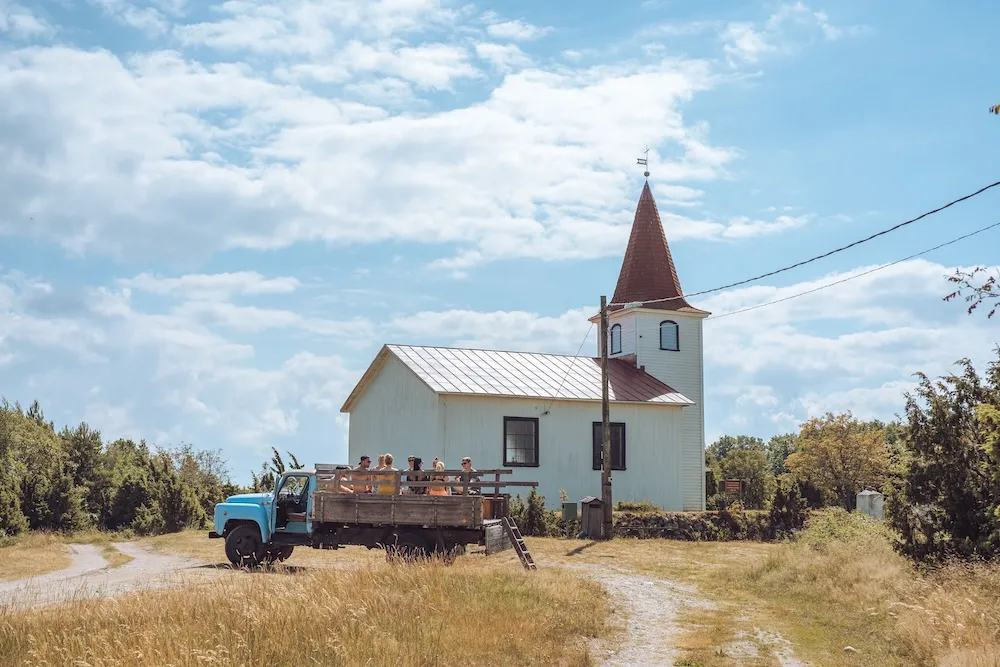
Prangli island is the only permanently inhabited island along the North Estonian coast, home to a community that has lived in harmony with nature for centuries. Despite being so close to Tallinn, Prangli has developed at its own pace and still moves to a very different rhythm – stepping ashore, you might well feel as though you have ended up somewhere far, far removed from civilisation.
But alongside its lively village life, alder and pine forests, sand dunes, coastal lakes, and wave-battered reefs, Prangli also has a great deal to offer in terms of birdlife. Thanks to its location on the Gulf of Finland, the island is an ideal spot to observe waterbirds on spring and autumn migration – ducks, waders, and divers – and even in summer, there is good reason for birdwatchers to make the trip, as the island’s varied habitats support a remarkably wide range of breeding species.
Who can you see in spring?
Even before you reach the island, standing on the open deck of the ferry on a calm March morning, you can scan the open sea with binoculars or a spotting scope for hardy feathered residents. One of the highlights is the Long-tailed Duck – birds that have travelled from the High Arctic to winter in our waters – which can be seen displaying from the start of the year. They remain until May. Smew and Scaup are frequently spotted too, and an occasional non-feathered creature – a Grey Seal – may poke its head up between the waves.
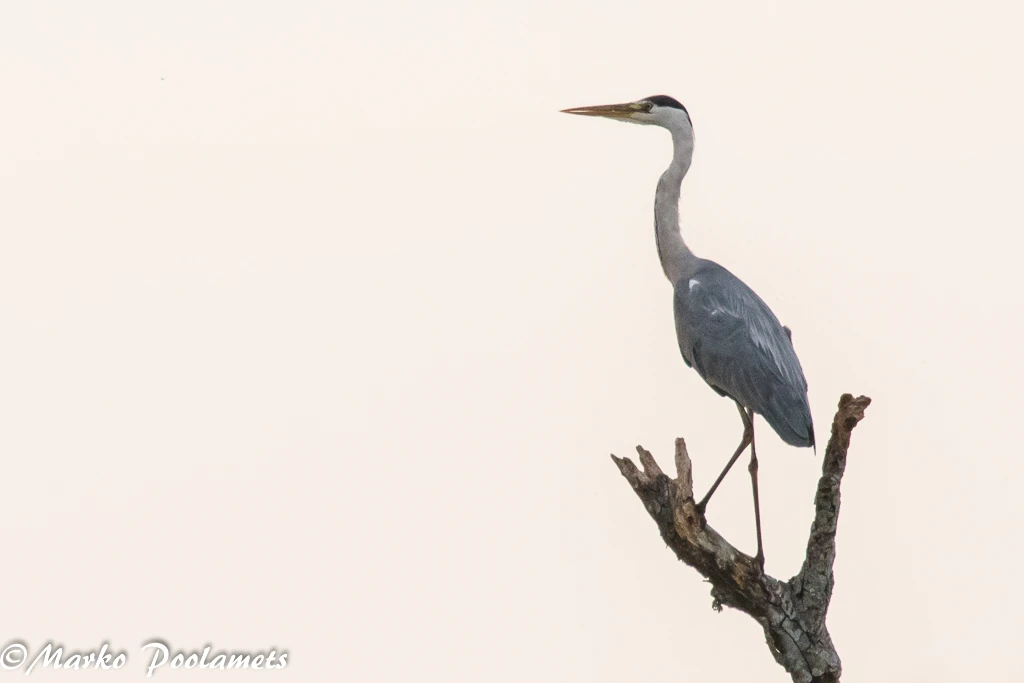
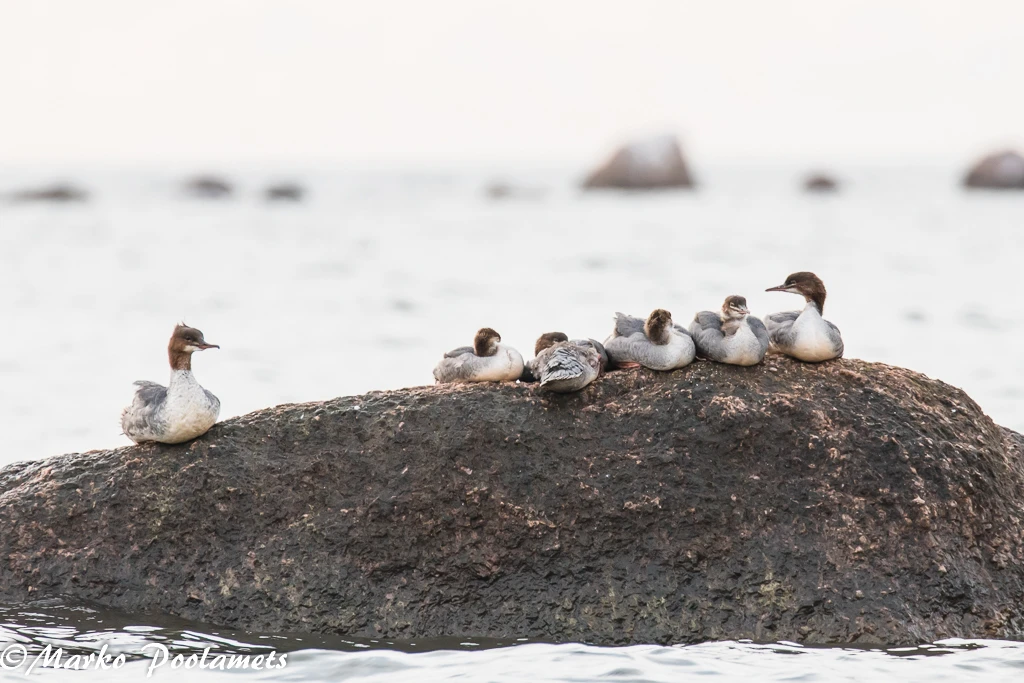
During the main spring migration in April and May, you may also see various divers (Black-throated and Red-throated) flying overhead or, less commonly, sitting on the water, along with Velvet and Common Scoters, Great Cormorants, Common Eiders, Barnacle Geese, and several gull species. Closer to the harbour, Mute Swans feed in the shallows alongside various ducks – Mallard, Garganey, Tufted Duck, Goosander – and herons: both Great White Egret and Grey Heron.
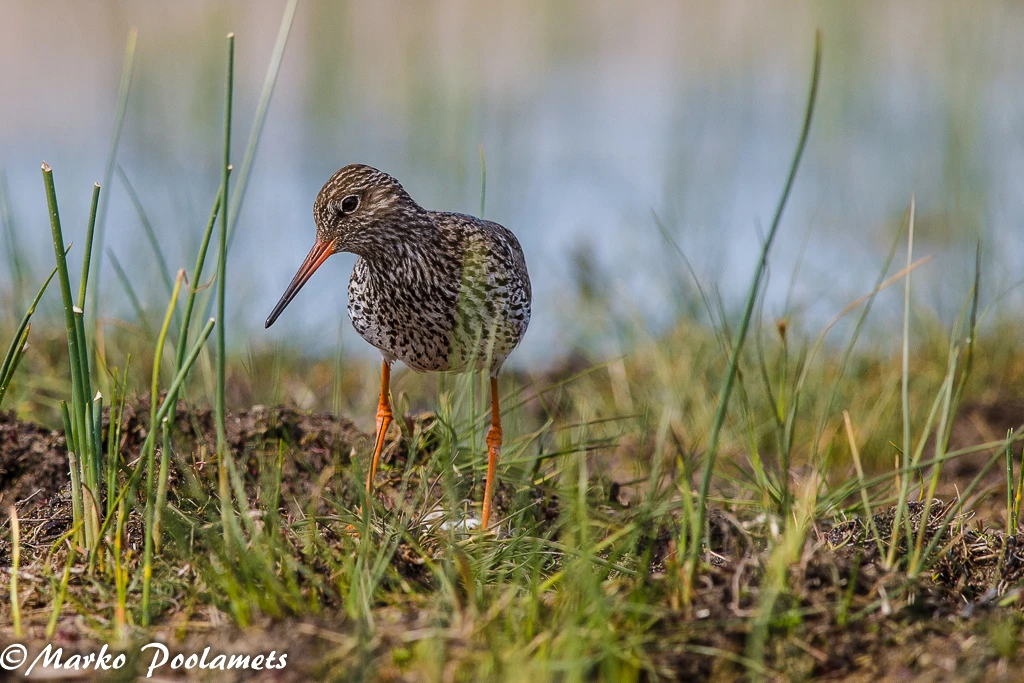
Walking the sandy beaches and cutting across damp coastal meadows and low-lying pools, you may encounter some rather more exciting species. Waders regularly seen in this area include Ruff, Ringed Plover, Little Ringed Plover, Ruddy Turnstone, Northern Lapwing, and Common Redshank; Eurasian Curlew and Whimbrel have also been recorded. April brings several tern species – Common Tern and Arctic Tern – which breed in the area. In the reedbeds, Sedge Warbler, Reed Warbler, Marsh Warbler, and Great Reed Warbler are all likely, and the rare Spotted Crake has been heard here too.
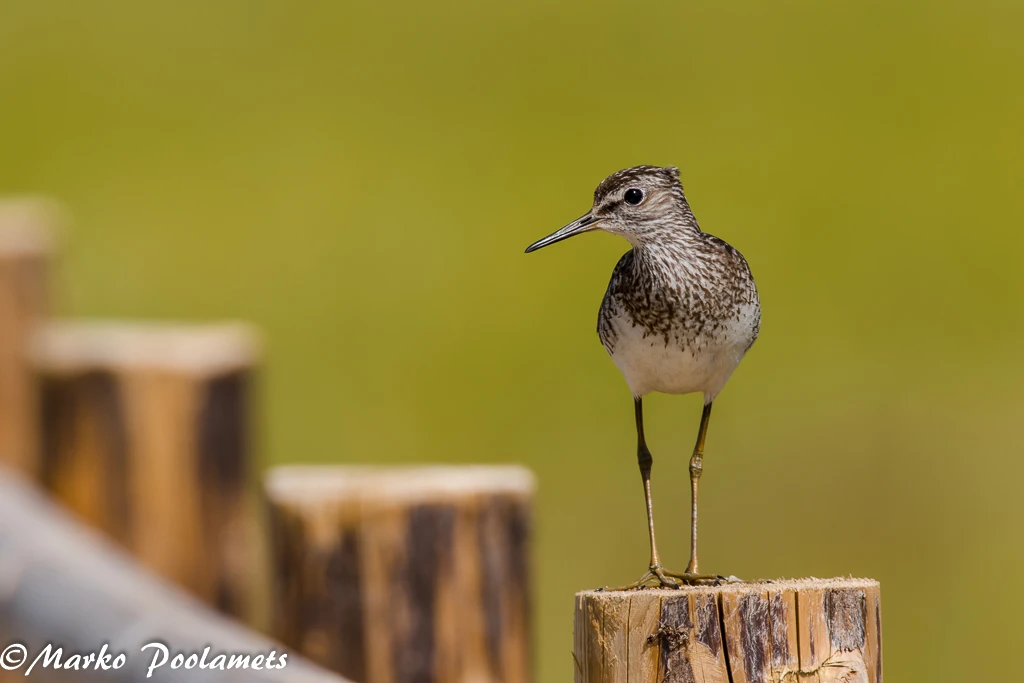
A pleasant summer of island birdlife
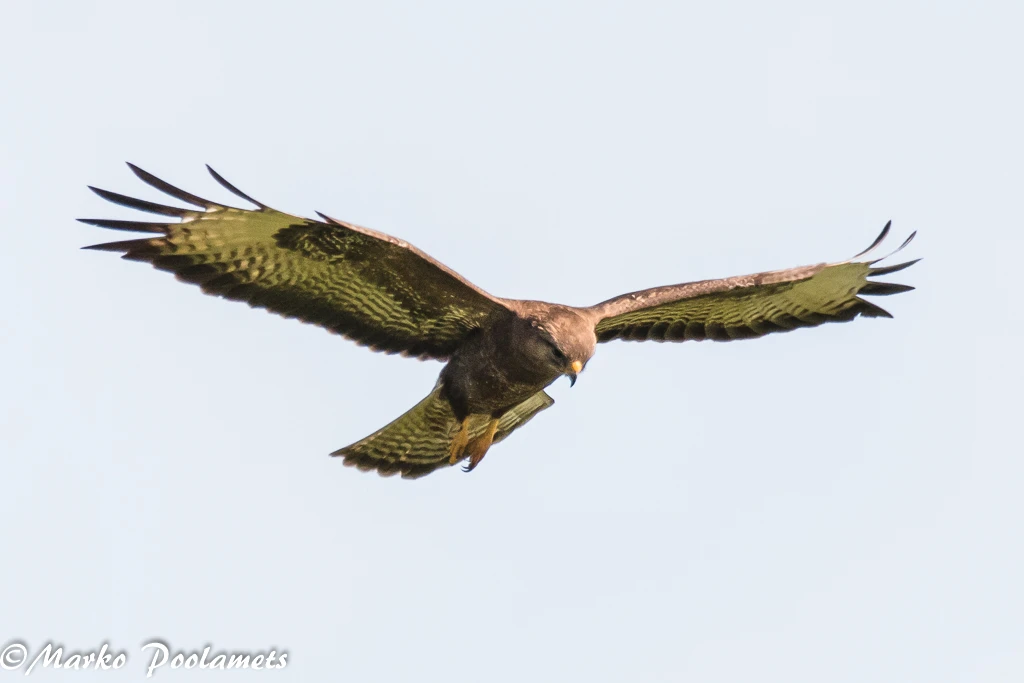
Summer is a busy breeding season. Common species nesting on Prangli include Great Tit and Blue Tit, Chaffinch, and thrushes – Blackbird, Mistle Thrush, and Song Thrush. Around the houses you will find Barn Swallow and House Martin, White Wagtail, Hooded Crow, and Magpie; in the groves, Nightingale, Wood Warbler, Dunnock, Treecreeper, and both Common Whitethroat and Blackcap. On open ground near the shore, Northern Wheatear breeds regularly, while Common Buzzard, Western Marsh Harrier, and Eurasian Hobby circle overhead. Red-backed Shrike also nests on the island. In spring, the drumming of the Great Spotted Woodpecker carries through the woods – it remains to breed here as well.
In the second half of summer, rarer waders begin drifting through – birds that have completed their extraordinarily brief breeding season far away in the Arctic and are now heading towards Western Europe. Among them you may find European Golden Plover, Red Knot, Dunlin (of the tundra subspecies), and Little Stint. Numbers are not large, as Prangli has few extensive mudflats, but various wader species do make short stops in the shallow bays on the western side of the island, particularly when water levels are low.
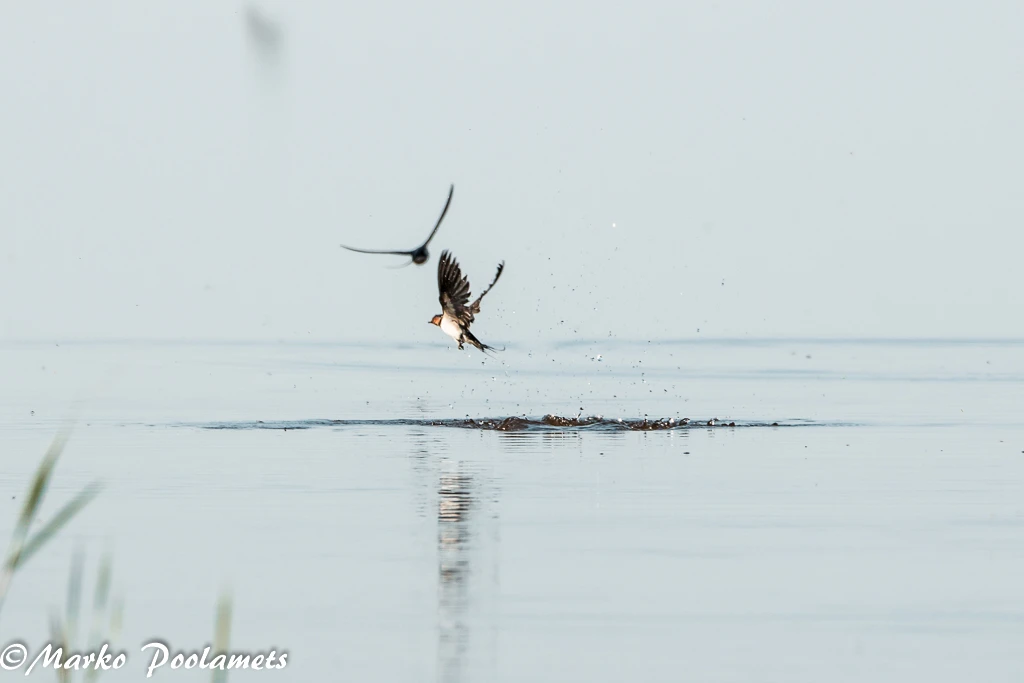
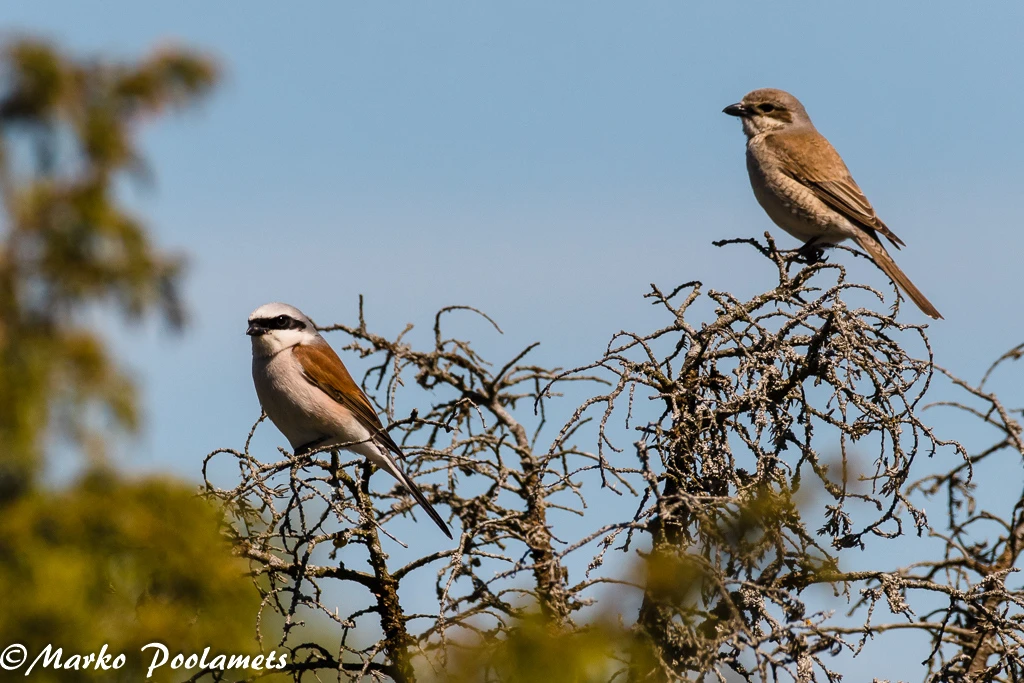
Autumn brings geese and waterbirds in abundance
When the weather turns colder and the northerly wind picks up, larger birds begin moving south across the sea. Flocks of Barnacle Geese and Greater White-fronted Geese very likely pass over the island, occasionally pausing briefly, though the best views come from the ferry or a smaller boat. The Long-tailed Ducks soon return to winter in local waters – indeed, they spend the greater part of the year here rather than on the breeding grounds. Scoters sweep past in large flocks at low altitude, Great Cormorants are seen in ever-increasing numbers, and divers may pass overhead in loose groups.
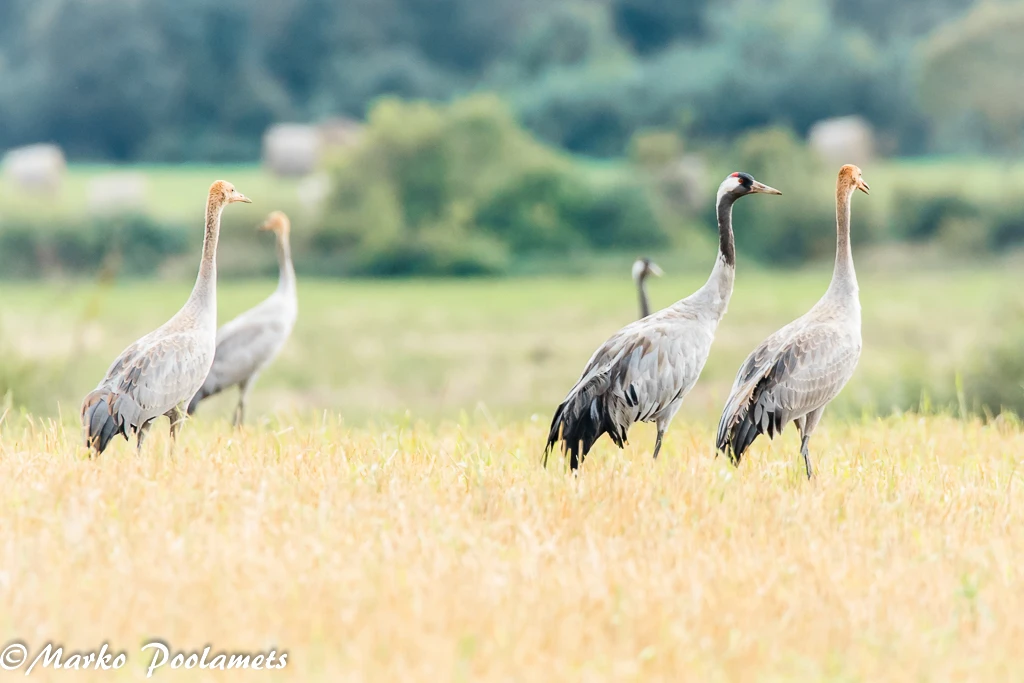
Autumn migration also has a special quality of its own: the numbers are somewhat larger than in spring, since the flocks include not only adults but the year’s young birds as well. Most birds are in non-breeding plumage, which makes identification a little more challenging – but also more rewarding.
As autumn deepens and winter arrives, island life grows very quiet. A few gulls and Mallards are seen here and there; Mute Swans and Smew remain as long as the sea stays ice-free. When the water freezes over entirely, the birds move on to the open sea, and Prangli settles down to rest, waiting for the new year and new feathered visitors.
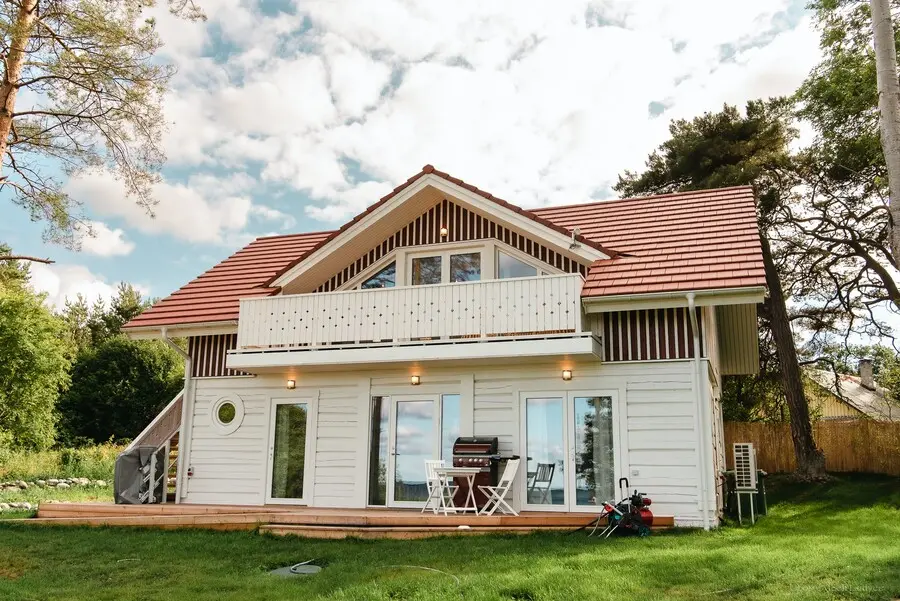
If you’d like to come to Prangli for a birdwatching trip, send us an email at info@pranglireisid.ee and we’ll find a suitable option together. Staying for more than a day is especially rewarding; it gives the nature, the peace, and the birdsong of Prangli a chance to truly sink in. We offer accommodation in the cosy Villa of Nature Energy.